


























































The search box quietly moved, and most businesses have not noticed
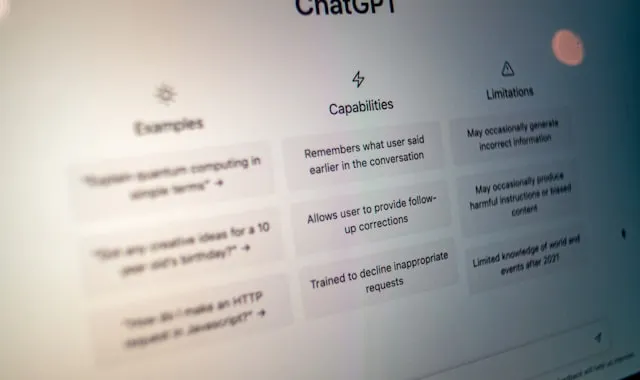
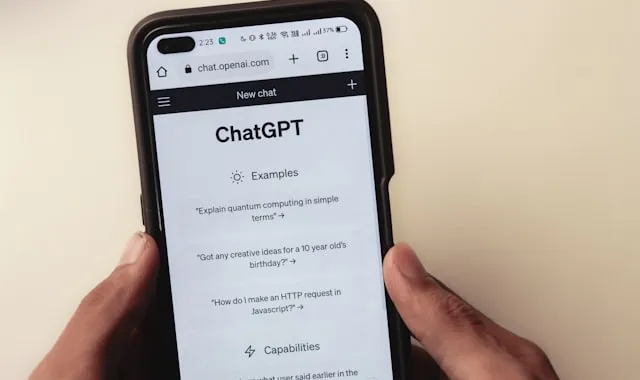
A few years ago, getting found meant one thing: rank on the first page of Google. That is still important, but the way people look for a service has already started to change. Instead of typing a keyword and scrolling ten blue links, more and more buyers simply ask. They open ChatGPT and type "who is a good web development agency for a Shopify store", or they ask Google Gemini "which SEO company works with clinics in my city". The tool reads the whole internet and hands back a short, confident answer with two or three names. If your business is one of those names, you win the lead before your competitor even knows the conversation happened. If you are not, you are invisible in a place you were never even watching. This is the shift behind what people now call AI SEO, or Generative Engine Optimization, and 2026 is the year it stops being a curiosity and starts affecting real pipeline.
What AI SEO actually means, in plain language
Traditional SEO is about being crawlable, relevant, and trusted so Google ranks your page. AI SEO builds on that same foundation, but the goal shifts from ranking a link to being quoted as the answer. ChatGPT, Gemini, Perplexity, and Google's own AI Overviews do not just list pages. They read, summarise, and recommend. So the question is no longer only "can Google find my page", it becomes "when a model summarises this topic, does it understand who I am, what I do, who I serve, and why I am a safe recommendation". The good news is that you do not throw away your SEO work. Clean structure, fast pages, real content, and strong reputation still matter. You are just now writing for two readers at once: the human skimming your page, and the model deciding whether to put your name in its answer.

Related: SEO (Search Engine Optimisation)·Website Development
How ChatGPT and Gemini actually decide who to mention
These models are not magic and they are not random. When they recommend a business, they are leaning on patterns they learned from the open web: who is mentioned often, in what context, alongside which topics, and with what sentiment. A model is far more likely to name you if your website clearly states what you do and where, if other trustworthy sites talk about you, if your reviews are visible and positive, and if your content answers the exact questions people ask. In other words, the same signals that build real-world trust are the signals that make an AI comfortable recommending you. There is no secret prompt or hack. There is clarity, consistency, and credibility, expressed in a way both people and machines can read without guessing.
The seven things that make an AI recommend your business
You do not need a hundred tactics. A handful of fundamentals, done properly, move the needle far more than clever tricks. If you get these right, you make it easy for a model to understand you and safe for it to name you.
- ✓Say plainly what you do, who it is for, and where you operate, on every key page, not just the homepage
- ✓Answer real buyer questions in your content, using the words people actually ask, not internal jargon
- ✓Earn mentions on other credible websites so your name appears in trusted company
- ✓Keep reviews visible, recent, and genuinely positive across the platforms buyers check
- ✓Use clean, fast, well-structured pages so both crawlers and models can read you without friction
- ✓Add structured data so machines get facts (services, location, ratings) without interpreting a wall of text
- ✓Stay consistent everywhere, so your name, services, and contact details never contradict each other
Write content that a machine can quote with confidence
Models love content that is specific, well-organised, and easy to lift. Long, vague paragraphs that could belong to any company are hard to quote and easy to skip. Clear headings, direct answers, and concrete detail get picked up. A practical rule: for every important service, publish a page that a stranger could read and immediately understand what you offer, who it suits, what it costs roughly, and how to start. That clarity helps a human buyer and gives an AI clean facts to repeat. This is exactly how we structure the work on our own service pages, from website development to SEO, so each one reads as a confident, self-contained answer rather than a brochure. If your pages already do the heavy lifting for a reader, they are most of the way to doing it for a model too.
Related: Social Media Management
Reputation is the new ranking factor
Here is the uncomfortable truth: you can have a perfect website and still get skipped if the wider web does not talk about you. Models weigh what others say, not just what you say about yourself. That is why reviews, mentions in articles, directory listings, partner pages, and genuine social proof matter so much now. They are the digital version of word of mouth, and AI tools read them constantly. Building this is not a one-week task, it is a steady habit: deliver work worth talking about, make it easy for happy clients to leave reviews, get listed where your industry is discussed, and publish content that others want to reference. Over time this reputation layer becomes the reason an AI feels safe saying your name instead of a competitor's. If you want a hand turning this into a consistent, month-by-month plan, that is exactly the kind of growth system we build with clients.
A simple 30-day plan you can start this week
You do not need to boil the ocean. Pick the highest-impact moves and do them in order. This is a realistic first month that any small team can run without a huge budget, and it compounds from there.
- ✓Week 1: Rewrite your top service pages so each clearly states what you do, who it is for, and where you serve
- ✓Week 2: Add structured data for your business, services, location, and reviews so machines get clean facts
- ✓Week 3: Publish two content pieces answering the exact questions buyers ask before they hire you
- ✓Week 4: Collect fresh reviews and secure two or three credible mentions or listings in your industry
- ✓Ongoing: Track which AI tools mention you, keep your details consistent everywhere, and repeat the cycle
Frequently asked questions about AI SEO
A few of the questions we hear most often from business owners who are just starting to think about ranking inside AI tools.
Go Deeper
Solvinex services for this topic
SEO (Search Engine Optimisation)
Higher visibility for high-intent keywords that convert into qualified leads.
View service →Website Development
Conversion-led websites that improve enquiry quality and sales readiness.
View service →Social Media Management
Content and channel execution focused on qualified demand, not vanity metrics.
View service →Comments
Share your thoughts or questions on this article.
No comments yet. Be the first to comment.